By September 2026, Wero had reached a user base of 58 million, with over 48,000 merchants in Belgium, France, Germany, Luxembourg, and the Netherlands processing transactions through the platform.
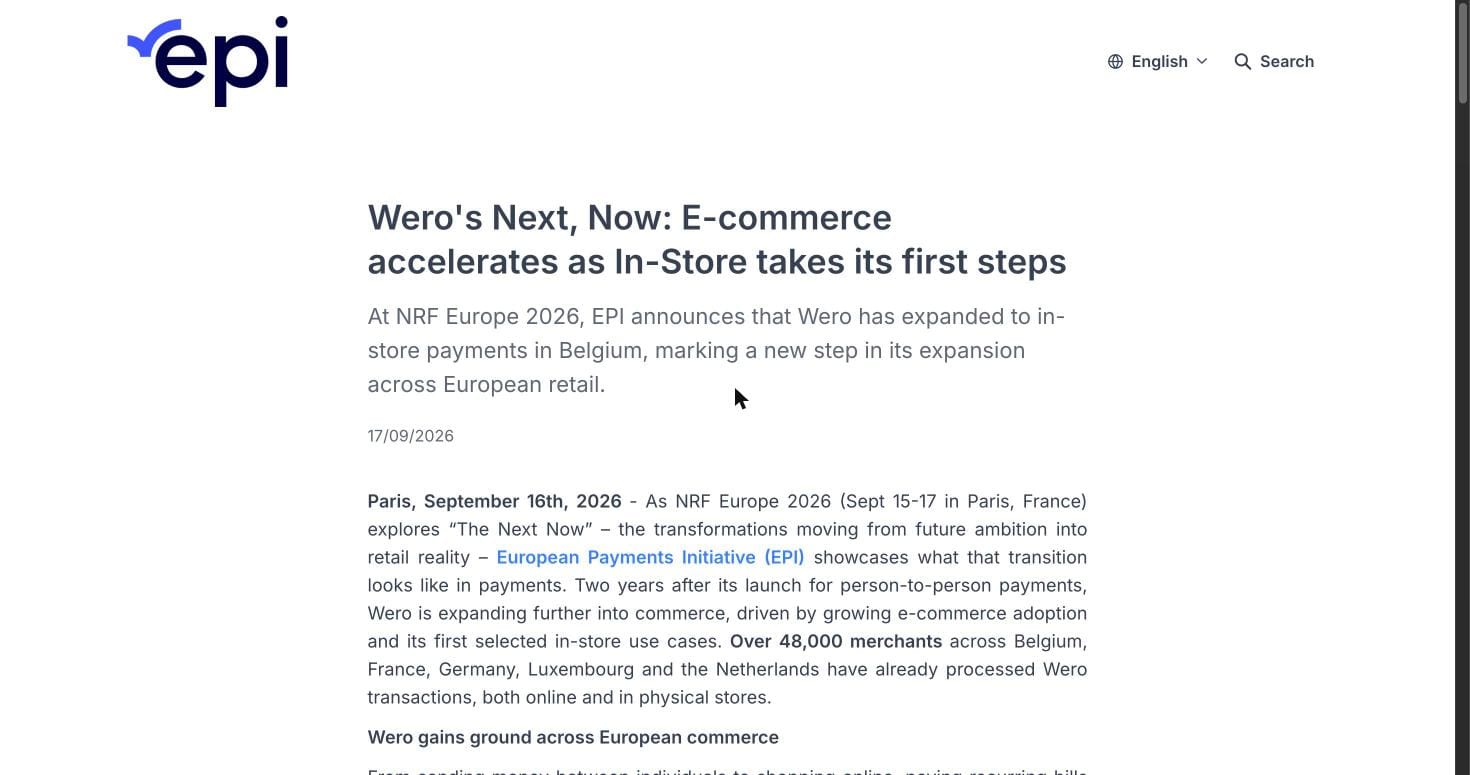
This development highlights the evolution of digital payment solutions, with Wero representing a significant initiative by European banks to take control of the payment process.
PayPal remains the dominant player, serving as the preferred payment method for millions across Europe. In Germany, which is Wero's primary market, PayPal outperforms all other online payment options.
The underlying mechanics of the two services vary significantly. PayPal functions as a global wallet that intermediates between the user and their bank or card, while Wero enables direct transfers between bank accounts via SEPA Instant.
This article examines the costs to consumers and merchants, contrasts their buyer protection policies, and evaluates their current operational territories and specific use cases for 2026.
Key Takeaways
- Wero surpassed 58 million users and 48,000 merchants by September 2026.
- PayPal commanded 28.7% of German online sales and is accepted by 95% of the leading online retailers.
- Wero offers free services to consumers, while PayPal imposes charges of up to 5% for international personal transactions.
- PayPal provides buyer protection for 180 days, compared to Wero's 120-day dispute window.
- Wero's in-store payments are currently active only in Belgium and Luxembourg, with further expansion planned for 2027.
Why Europe Developed Its Own Payment Solution
The establishment of Wero stems from Europe's reliance on external payment networks. Approximately 61% of card payments in the eurozone were processed through international card systems in 2022, with thirteen euro-area nations entirely dependent on them, and none of the cross-border processors are fully owned by EU entities.
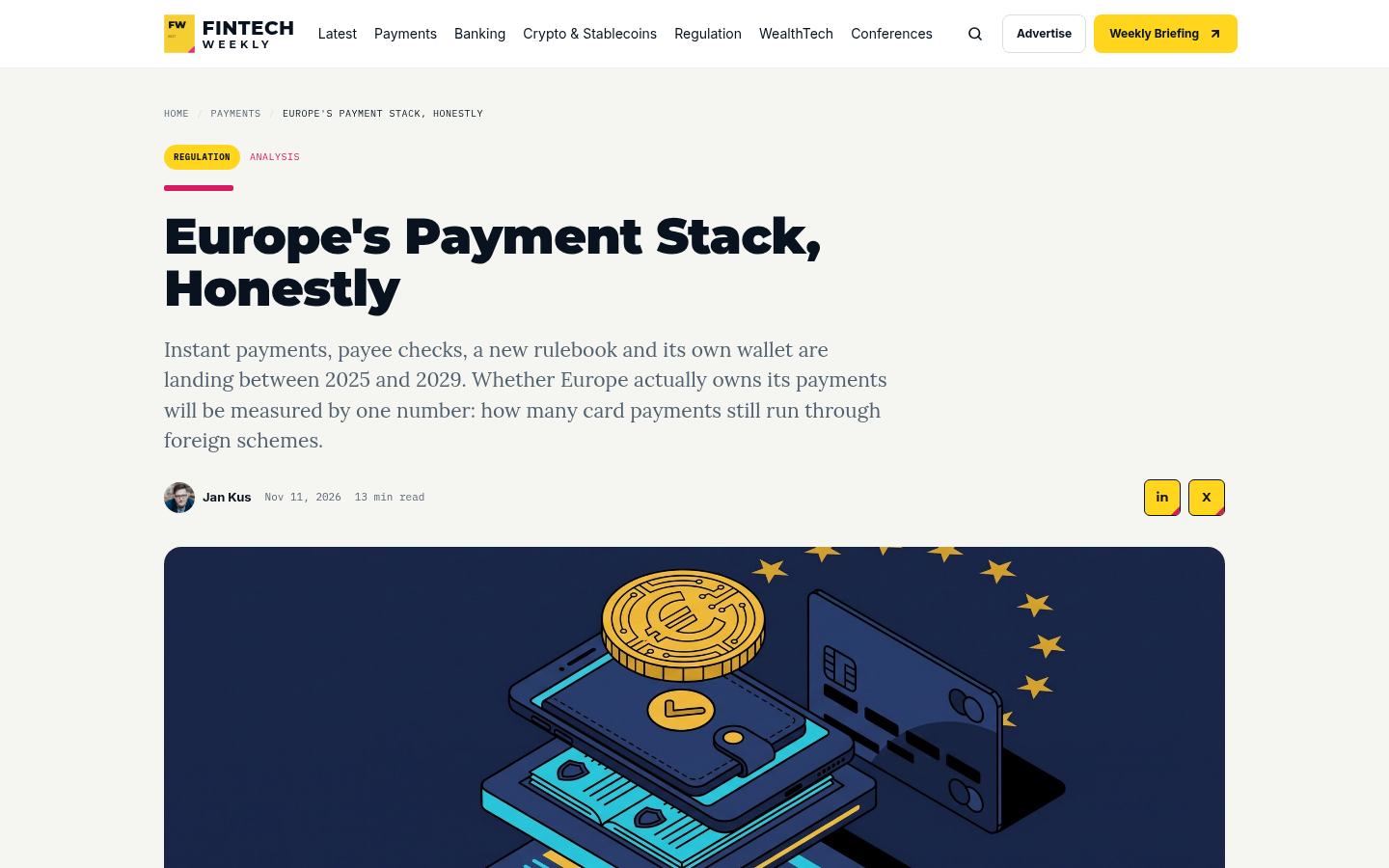
Initially launched for person-to-person transactions in 2024, Wero achieved 43.5 million registered users and facilitated over €7.5 billion in transfers within its first year. However, the European Payments Initiative does not disclose active user statistics, which remains a key limitation in assessing Wero's performance.
Wero's ambitions extend beyond five countries. On September 30, 2026, the European Payments Initiative partnered with Bancomat, Bizum, SIBS MB WAY, and Vipps MobilePay, forming a new Madrid-based joint venture called the European Network for Payments to integrate their respective wallets.
This drive for financial sovereignty is also propelling European banks toward the development of stablecoins, as noted in our report covering 37 banks launching a euro stablecoin on Ethereum.
PayPal's Status in 2026
PayPal continues to maintain a substantial global presence, reporting 440 million active accounts in the third quarter of 2026, marking a 0.6% increase year-over-year, with a total payment volume of $487.1 billion, an increase of 6%.
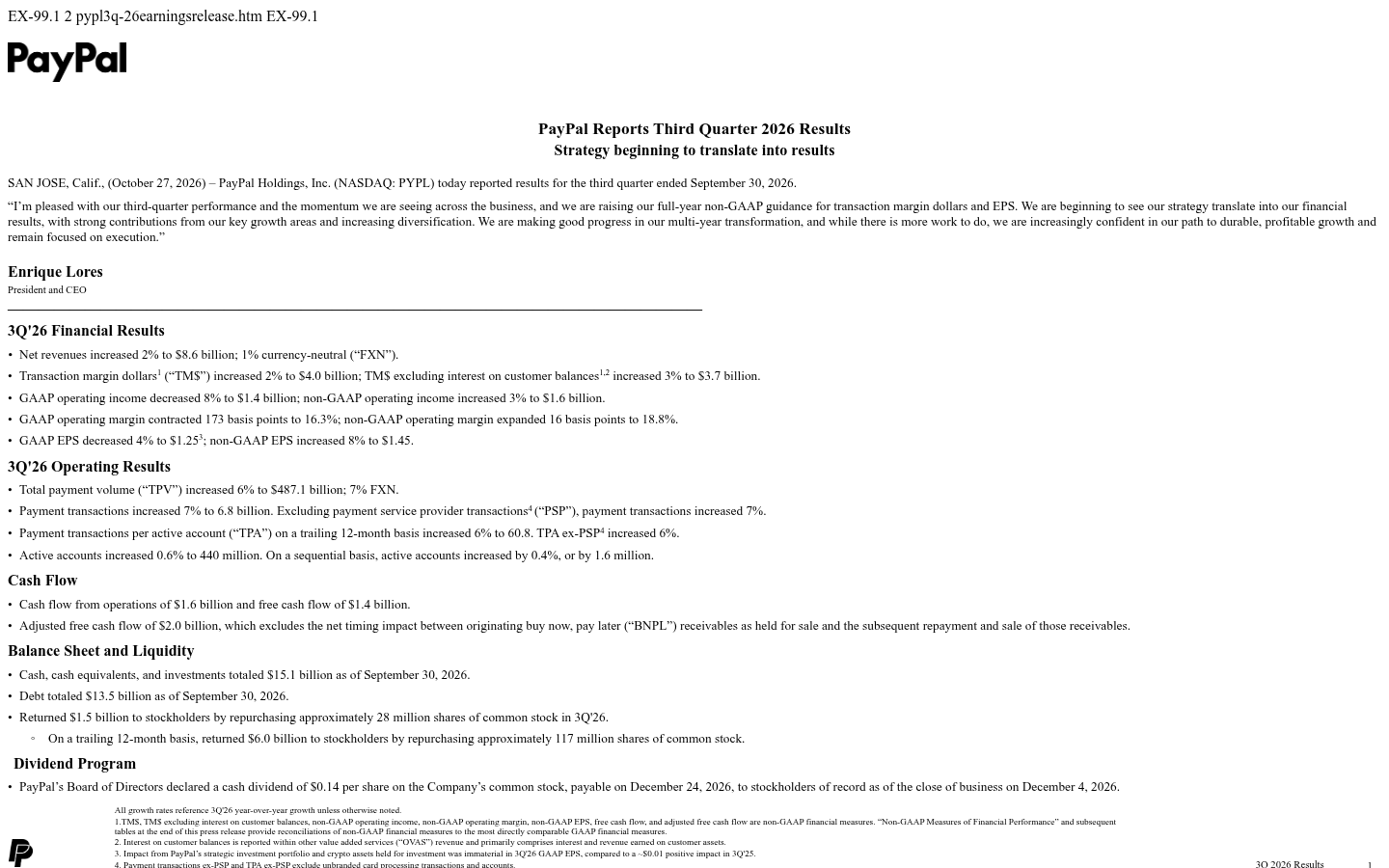
However, PayPal's international revenue is experiencing challenges. It totaled $3.6 billion for the quarter, accounting for 42% of total revenue, but saw a decline of 4% on a currency-neutral basis.
Germany serves as a critical battleground for both services. In 2025, PayPal captured 28.7% of the country's e-commerce revenue, outpacing invoices at 26.1% and card payments at 13.7%, and it is accepted by 95% of the top 1,000 online shops in Germany.
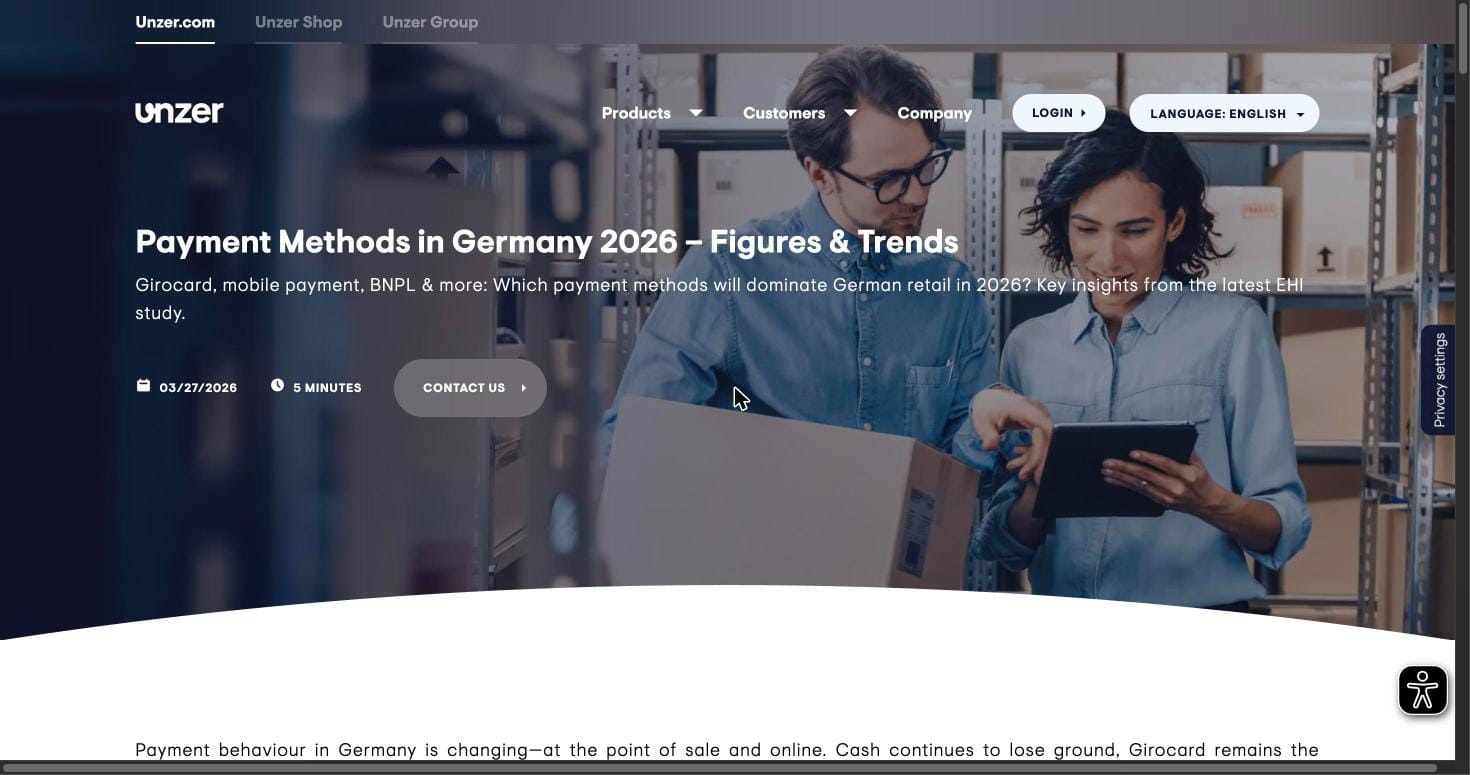
The same EHI study indicates that four out of ten German businesses view Wero as a promising option, reflecting interest rather than actual adoption. A comparison of Stripe and PayPal highlights PayPal's economic advantage for merchants.
Wero vs PayPal Overview
| Feature | Wero | PayPal |
|---|---|---|
| Users | About 60M registered | 440M active accounts |
| Coverage | 5 EU countries | Global |
| Funding | Bank account | Bank, card or balance |
| Domestic P2P | Free | Free in euros (EEA) |
| Cross-border P2P | Live in BE, FR, DE | 5%, max €3.99 |
| Merchant fee | Set by each PSP | 2.99% + €0.39 |
| Buyer protection | 120-day disputes | 180 days |
The table highlights a fundamental structural difference: Wero is integrated directly into banking apps, whereas PayPal operates as an external account layered on top of existing banking systems.
Comparison of Fees
From a consumer perspective, Wero is free to use, settles transactions in under 10 seconds, and has a minimum transfer amount of €0.50, with each bank determining the maximum limit.
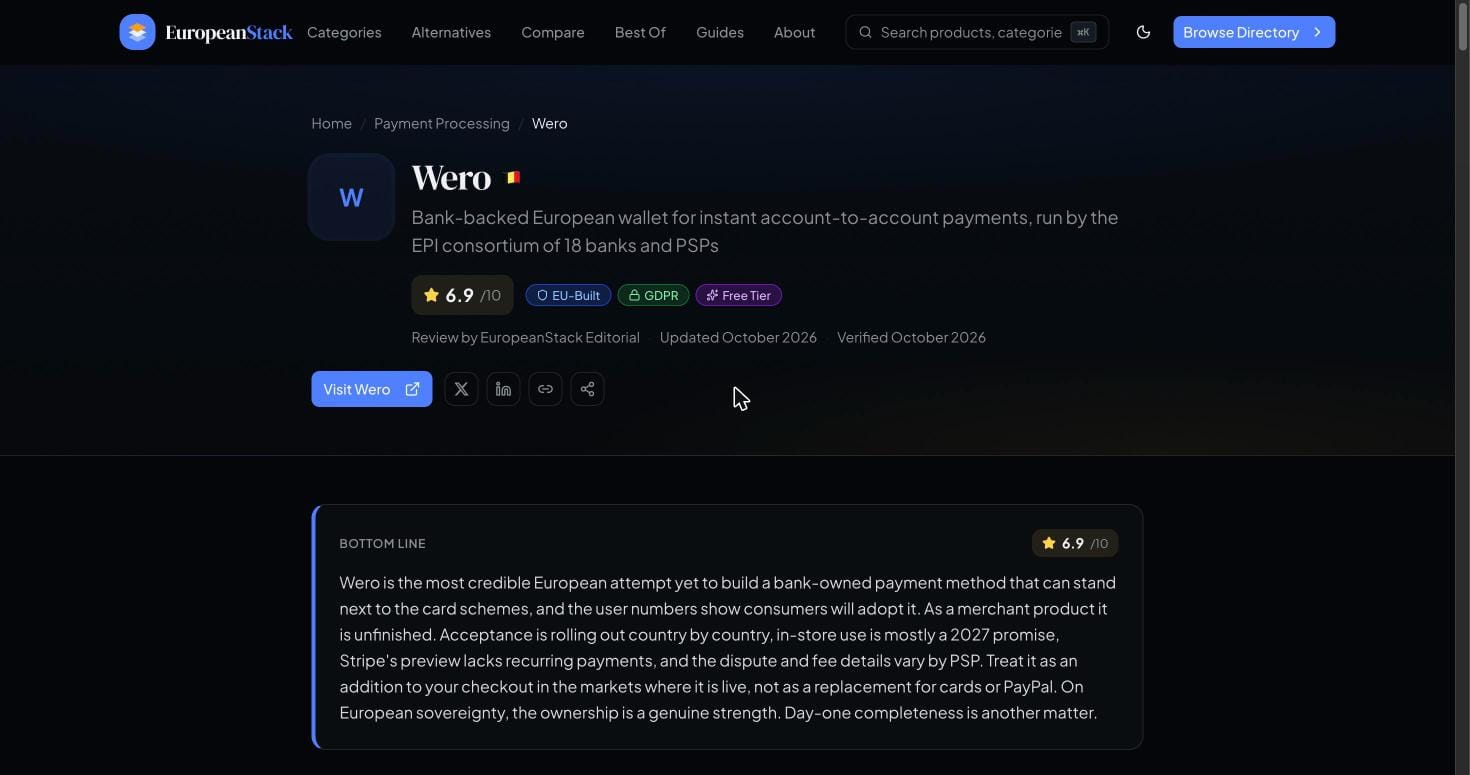
PayPal also provides free domestic transactions for friends and family payments in euros within the European Economic Area. However, international personal payments incur a charge of 5% of the total amount, with a minimum fee of €0.99 and a maximum of €3.99, while business accounts face a 3% additional fee for currency conversion.
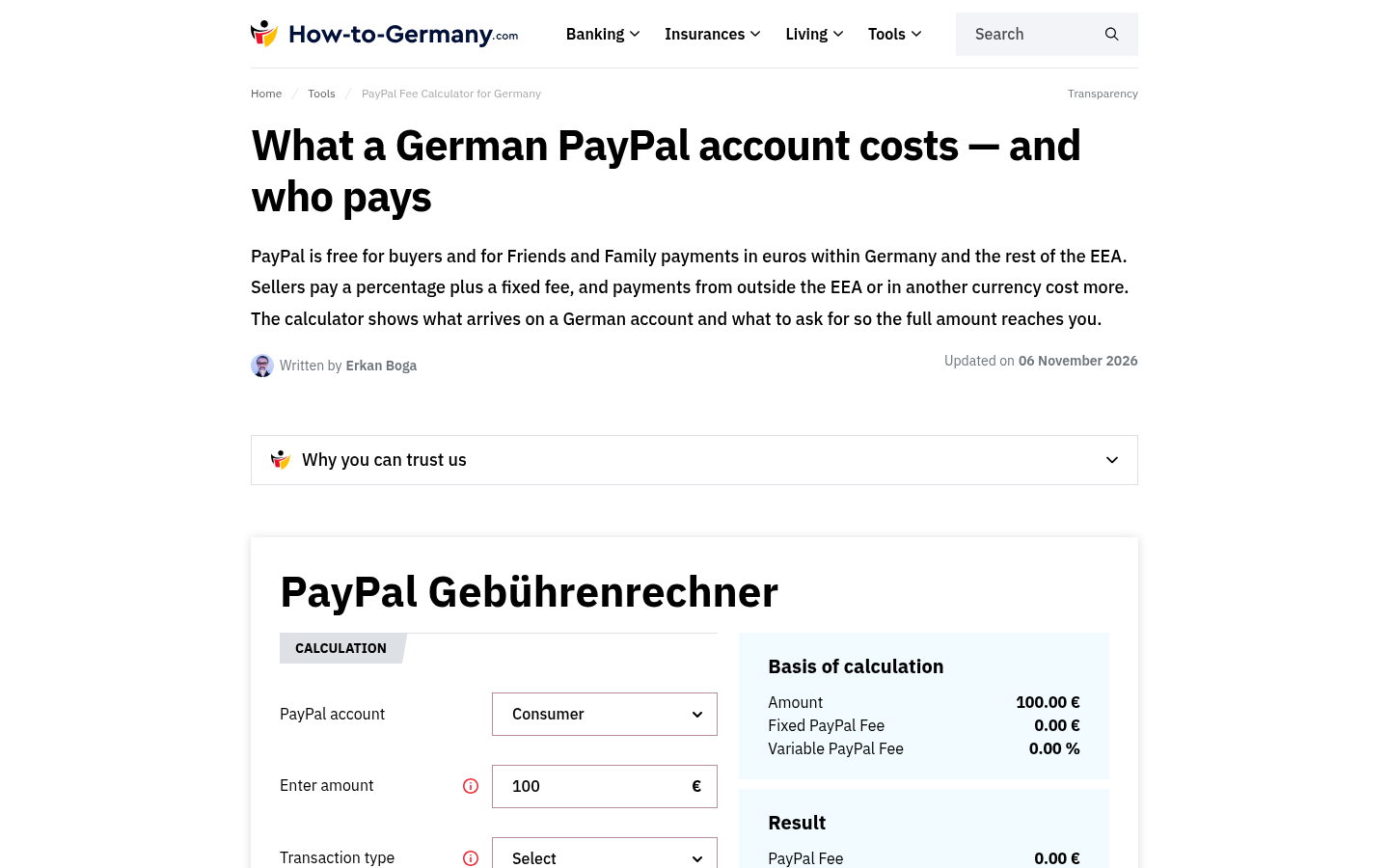
For merchants, the disparity in costs is notable. PayPal Checkout in Germany charges 2.99% plus €0.39 per transaction. Wero's merchant fees are not publicly published, as they vary by payment service provider; for instance, Mollie charges €0.39 for domestic Belgian payments, €0.32 for Dutch transactions, and 0.90% plus €0.25 for payments elsewhere.
| Order value | PayPal Checkout | Wero via Mollie |
|---|---|---|
| €20 | €0.99 | €0.43 |
| €50 | €1.89 | €0.70 |
| €200 | €6.37 | €2.05 |
The rates presented are for domestic orders in Germany, using Mollie's pricing of 0.90% plus €0.25 for Wero. Other providers may have different pricing structures, resulting in varying savings depending on the acquirer.
Buyer Protection and Dispute Resolution
PayPal's buyer protection system is well-established. It covers the full purchase price and initial shipping costs when an item is not delivered or does not match the description, with a 180-day window for disputes, excluding friends and family payments.
Conversely, Wero's buyer protection is newer and mandatory, allowing consumers to initiate disputes for up to 120 days through their banking app. Merchants must reply within 7 days, or the consumer automatically wins, but certain sectors may be exempt based on merchant category codes.
Merchants should also be aware that, unlike iDEAL, Wero does not guarantee payments, meaning that completed transactions can still be reversed if a dispute arises.
Service Availability
PayPal is widely accepted for online transactions. In contrast, Wero's service availability is contingent upon the country and specific use case.
| Country | Online checkout | In-store |
|---|---|---|
| Belgium | Live (Mar 2026) | Live (Sep 2026) |
| France | Live (Apr 2026) | From 2027 |
| Germany | Live (Nov 2025) | Planned Jun 2027 |
| Luxembourg | Live (Sep 2026) | Live (Sep 2026) |
| Netherlands | Rolling out | Planned |
In Germany, notable online retailers accepting Wero include Decathlon, dm, Eventim, and Lidl, while in France, merchants such as Air France, Decathlon, Fnac Darty, and Orange are on board.
However, major retailers are still lagging in adoption. By late April 2026, none of Germany's top ten online retailers had integrated Wero into their payment systems.
The Netherlands is a pivotal market. Online commercial payments through Wero commenced for customers of eleven Dutch banks on October 26, 2026, with a full transition from iDEAL to Wero targeted for December 31, 2027.
Choosing the Right Payment Method
- For payments to friends within the eurozone: Wero is preferable if your bank supports it, as it is free and transfers occur instantly.
- For payments to friends outside the eurozone: Neither option is optimal; consider dedicated services like those reviewed in our Wise vs Revolut comparison.
- For online purchases from unfamiliar sellers: PayPal is the better choice due to its extended protection period and broader acceptance.
- Merchants operating in Belgium, Germany, or France: Implement Wero alongside PayPal for cost-effective transactions, though it hasn’t yet replaced PayPal’s extensive reach.
- For merchants managing subscription services: Stick with PayPal or card payments for now, as Wero's recurring payment features are expected around mid-2027.
The Role of Stablecoins
Wero and stablecoins address different challenges. Wero facilitates euro transfers between European bank accounts via SEPA Instant, whereas euro stablecoins operate on public blockchains, enabling cross-border transactions at any time, as discussed in our analysis of EURC and USDC for European businesses.
PayPal is positioned on both sides of the equation. It not only offers a wallet that competes with Wero but also issues its own dollar stablecoin, detailed in our explanation of PYUSD.
Regulatory changes are bringing these payment systems closer together. Euro-area payment providers have been required to facilitate instant euro transfers since October 9, 2025, with payment and e-money institutions set to follow suit starting April 9, 2027. Additionally, the European Central Bank plans to launch a 12-month digital euro pilot in the latter half of 2027.
For those converting stablecoins back into euros for use with Wero, our guide to the most cost-effective stablecoin off-ramps in Europe outlines the available options.
Looking Ahead to 2027
- In-store launches: Germany's rollout is planned for June 2027, with broader availability in France also anticipated.
- Subscription services: The introduction of recurring Wero payments around mid-2027 would help bridge the gap with PayPal for merchants.
- The Dutch transition: The full migration from iDEAL to Wero, expected by the end of 2027, would incorporate one of Europe's most widely used online payment methods.
- Interoperability: The success of the European Network for Payments in linking Wero with Bizum and other wallets remains to be seen.
- Active user metrics: It is uncertain whether the European Payments Initiative will begin to disclose active user figures instead of just registrations.
Frequently Asked Questions
1. How do Wero and PayPal differ?
The key distinction lies in Wero's ability to transfer money directly between European bank accounts through SEPA Instant within banking apps, while PayPal operates as a global wallet that connects users with their banks or cards. Wero's coverage includes five EU countries, whereas PayPal is available globally.
2. Is Wero more cost-effective than PayPal?
Generally, Wero is less expensive for most transactions. Consumers incur no costs when using Wero, while merchants face fees determined by their payment service provider, such as 0.90% plus €0.25 with Mollie, compared to PayPal's 2.99% plus €0.39 for Checkout in Germany.
3. Does Wero offer buyer protection similar to PayPal?
Wero does provide buyer protection, albeit newer and shorter than PayPal's. Users may initiate disputes within 120 days via their banking app, while PayPal extends coverage for 180 days and has a longer history of effectively resolving claims.
4. Where is Wero usable in 2026?
In 2026, Wero can be utilized for person-to-person payments in Belgium, France, Germany, and Luxembourg, as well as for online shopping in those countries. In-store payments will be available in Belgium and Luxembourg, with the Netherlands transitioning away from iDEAL.
5. Will Wero eventually replace PayPal in Europe?
In the short term, Wero is unlikely to replace PayPal in Europe. With approximately 60 million registered users and over 48,000 merchants, PayPal continues to dominate German e-commerce, offers international capabilities, and provides subscription services and extensive buyer protection that Wero has yet to match.