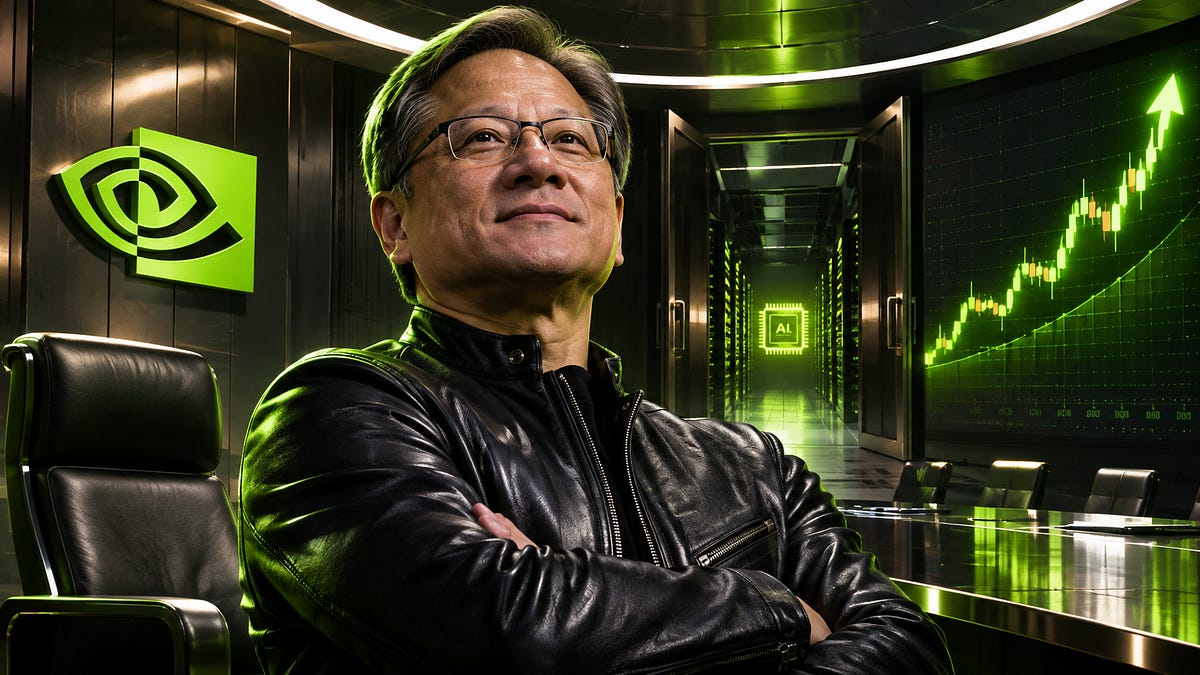
In a remarkable twist, Jensen Huang has resumed his role as CEO of Nvidia. This development is set to dominate headlines globally, prompting me to share some personal insights on the matter.
Huang's Legacy and Market Impact
Firstly, Huang has undoubtedly cemented his legacy among the great technology founders. His return to a company he launched three decades ago coincided with an astonishing $3 trillion surge in the US stock market within moments. Observing the market's rapid rise as the news spread was surreal, yet it aligns with Huang's reputation as a pivotal figure in the AI sector.
Shareholder Influence and Board Dynamics
Secondly, this situation underscores the influence shareholders wield. The board of directors mishandled the situation and attempted to exert excessive control. The swift and drastic drop in Nvidia's stock price reflects shareholder discontent with the board's choice to force Huang's resignation. The subsequent recovery of more than 30% in stock value upon his return clearly indicates a strong desire among shareholders to have Huang lead the company.
Thirdly, Huang should consider dismissing the entire board of directors. It is untenable for him to manage the company alongside board members who were willing to oust him, thereby jeopardizing trillions in shareholder equity. These directors have revealed their true intentions, which now pose a risk to Nvidia. A board dedicated to the company and its shareholders is essential, rather than one that sways with public opinion.
Market Trends and Government Involvement
Fourthly, the AI market appears poised for a resurgence. The recent market downturn has provided an opportunity for reflection, but demand continues to exceed supply, suggesting further growth ahead.
Fifthly, reports indicate that President Trump and the White House played a role in the Nvidia situation, including taking part in a board meeting to advocate for Huang's reinstatement. The increased involvement of the White House in market affairs has been noted, but this may mark the first instance of a US government intervention resulting in the reinstatement of an executive. Going forward, Nvidia might be perceived as having indirect ties to the US government.
Public Perception and Competitive Landscape
Sixthly, the online reaction to Huang’s return has been overwhelmingly positive. However, it’s worth mentioning that Ken Lay, the former CEO of Enron, was reinstated shortly before the company collapsed due to accounting scandals. While I have no reason to believe Nvidia is involved in any fraud, one must speculate whether the US government informed Nvidia’s board that the company would face no legal repercussions, making this more of a trivia point than anything substantial.
Seventhly, the mainstream media's credibility has taken a hit. They spent considerable time publishing negative stories about Huang’s management approach and unfounded claims regarding Alice Huang's alleged espionage, but this narrative holds little weight now. The founder of one of the world's most valuable companies has rightfully reclaimed his position at the helm.
Eighthly, the United States and Nvidia should expedite efforts to saturate the Chinese market with Nvidia chips. Failure to do so could lead Chinese firms to develop their own chips, potentially creating technology that surpasses American offerings. The emergence of superior Chinese chips poses a significant threat to US interests, making it crucial to ensure China remains reliant on Nvidia’s products. This complex dynamic will unfold over the years, but the risk of China achieving chip independence is too great to overlook.
Open-Source AI Development
Lastly, it's evident that American closed-source AI laboratories are resistant to the success of open-source AI technology. This reality is precisely why there should be a concerted effort to promote open-source AI development. With this perspective, Huang and Nvidia should allocate substantial resources toward American open-source AI initiatives, competing aggressively against closed-source entities. While we may never know if companies like Anthropic were involved in Huang's ousting, he should not overlook the potential threat they represent. Dominating the open-source landscape could force larger labs to adapt or face extinction.
As a fun fact, both Michael Jordan and Jensen Huang share the same birthday: February 17, 1963. Yes, this is true. That day certainly welcomed greatness in various forms.
I wish everyone a fantastic day ahead. Until next time.