
Ghana is recognized in West Africa for its vibrant cryptocurrency market, where USDT serves as a popular alternative to the dollar. Various groups, including freelancers, traders, and families receiving remittances, are keenly searching for effective ways to exchange USDT for Ghanaian cedis.
In contrast to South Africa, Ghana does not have a strong local exchange order book for USDT transactions. The majority of trading occurs on peer-to-peer (P2P) platforms, with mobile money emerging as the favored payment method among purchasers.
This guide outlines three methods for converting USDT to GHS, reflecting the exchange rates as of November 27, 2026, while considering the recently introduced licensing regulations and taxes.
As of November 27, 2026, standard P2P transactions on Bybit and OKX revealed that USDT was traded at rates ranging from GHS 12.51 to GHS 12.55, primarily through MTN MoMo and Telecel Cash. This pricing indicates a premium of roughly 7% over the interbank rate set by the Bank of Ghana, which was around GHS 11.73.
Key Takeaways
Here are the main points to note regarding the conversion of USDT to GHS:
- Bybit and OKX P2P offered USDT rates between GHS 12.51 and GHS 12.55.
- P2P rates were approximately 7% higher than interbank rates.
- MTN MoMo was the leading payment method.
- One offer on Bybit exceeded the market rate by 13%.
- The VASP Act requires exchanges to obtain licenses.
Overview: Three Methods for Converting USDT to GHS
There are several methods available for converting USDT to Ghanaian cedis, each with its own advantages.
| Method | Payout Options | Exchange Rate (GHS per USDT) | Best For |
|---|---|---|---|
| Bybit P2P | MTN MoMo, Telecel Cash | GHS 12.51 to GHS 12.53 | No taker fees |
| OKX P2P | MTN MoMo, Telecel Cash | GHS 12.52 to GHS 12.55 | Varied offers |
| Local Crypto Apps | Mobile money, bank | Varies by platform | Quick and easy transactions |
For more details about the recent regulations, please consult our report on Ghana's VASP framework.
It is important to note that the quoted rates were approximate and recorded around midday in Accra, subject to daily fluctuations.
1. Bybit P2P: No Taker Fees
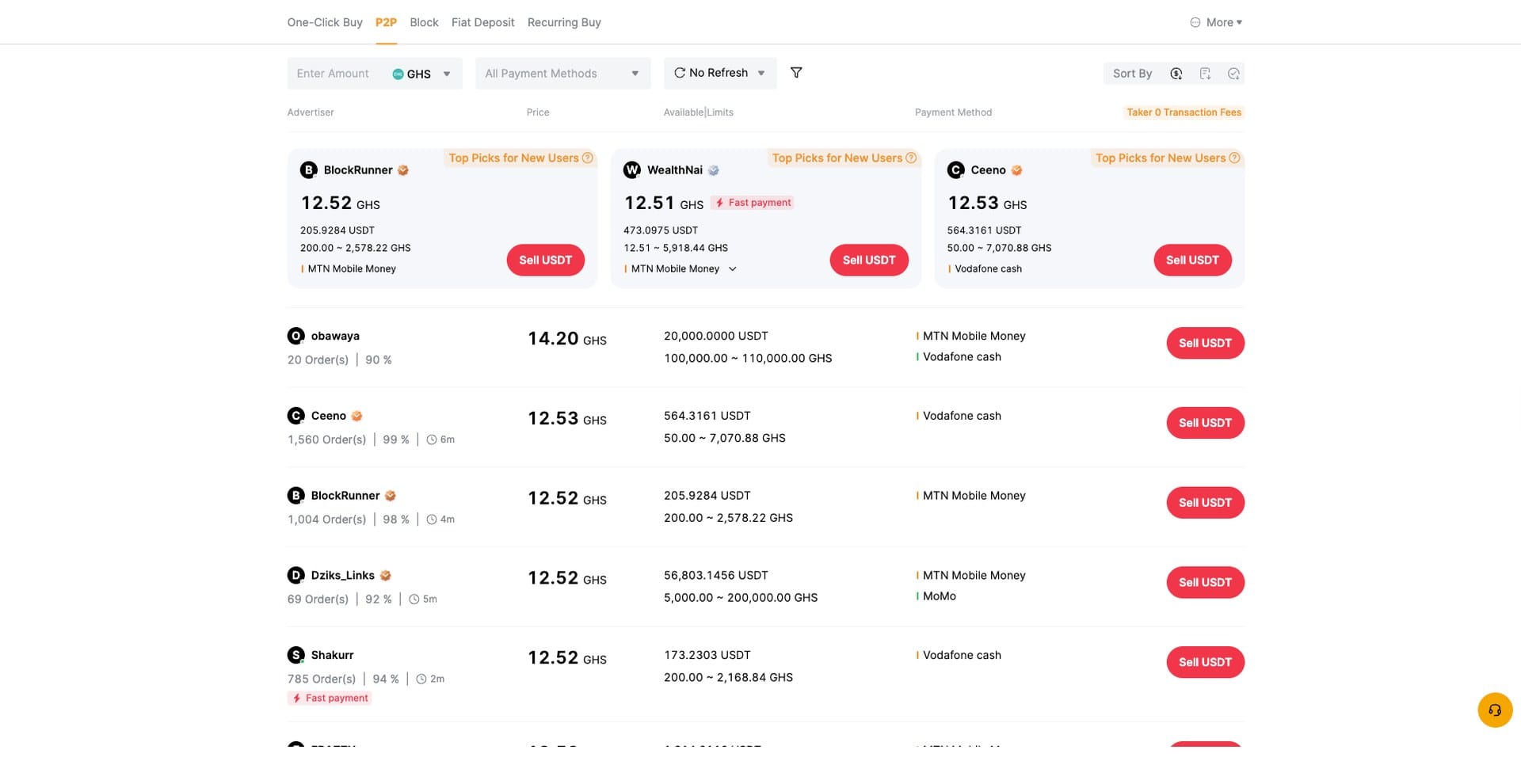
Within the Bybit GHS market, sellers who accepted existing offers faced no taker fees.
Typical buyers could purchase USDT at rates from GHS 12.51 to GHS 12.53 each.
The appealing feature of the Bybit platform is the absence of taker fees, making it an attractive option for users seeking to optimize their transaction results.
2. OKX P2P: The Deepest Order List
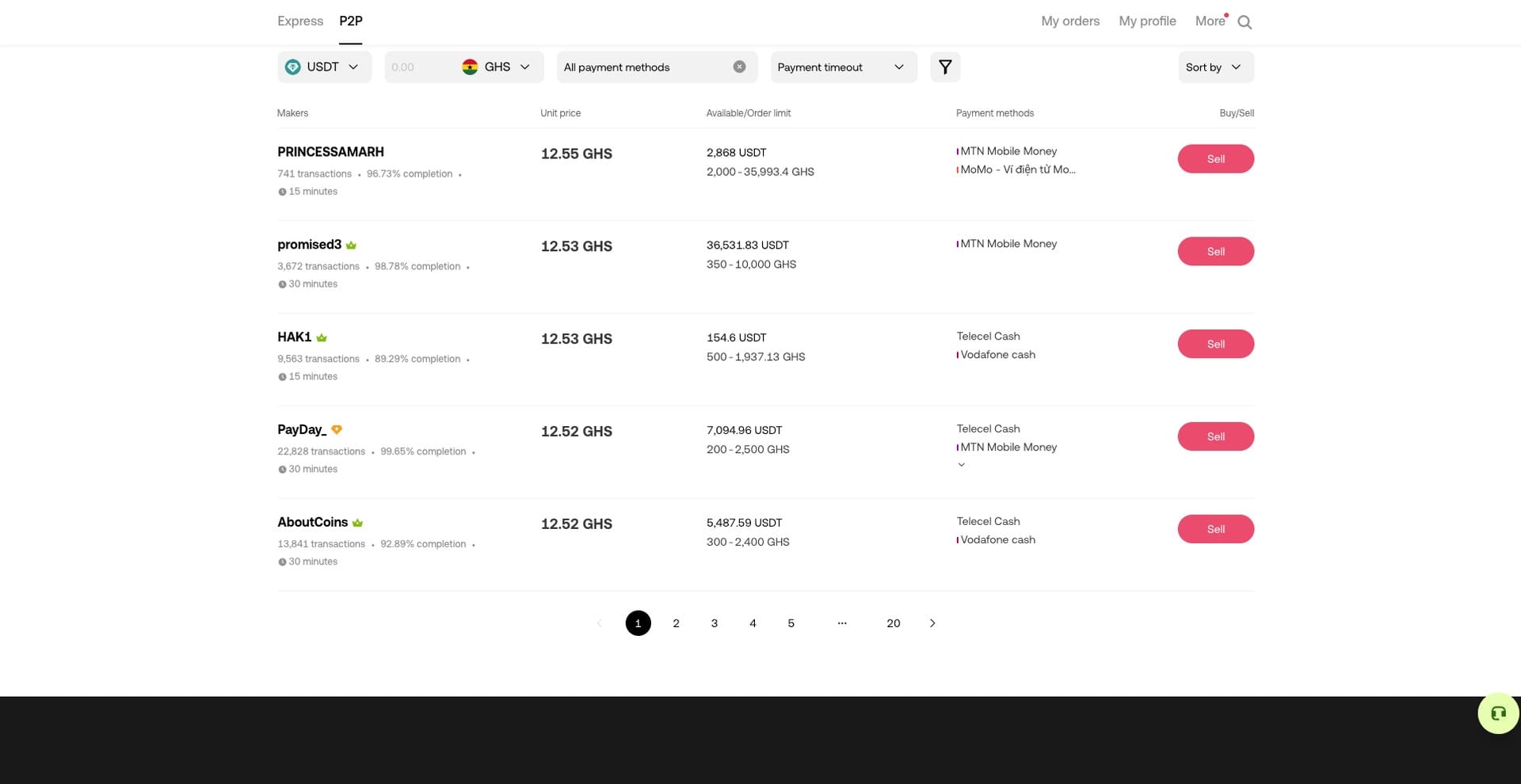
OKX showcased an extensive list of buyers for USDT in cedis, covering 20 pages. The top offer paid GHS 12.55, with a minimum trade requirement of GHS 2,000.
This broad selection of choices allowed users to pick the most favorable rates and conditions for their exchanges.
3. Local Crypto Apps: Wait for Licenses
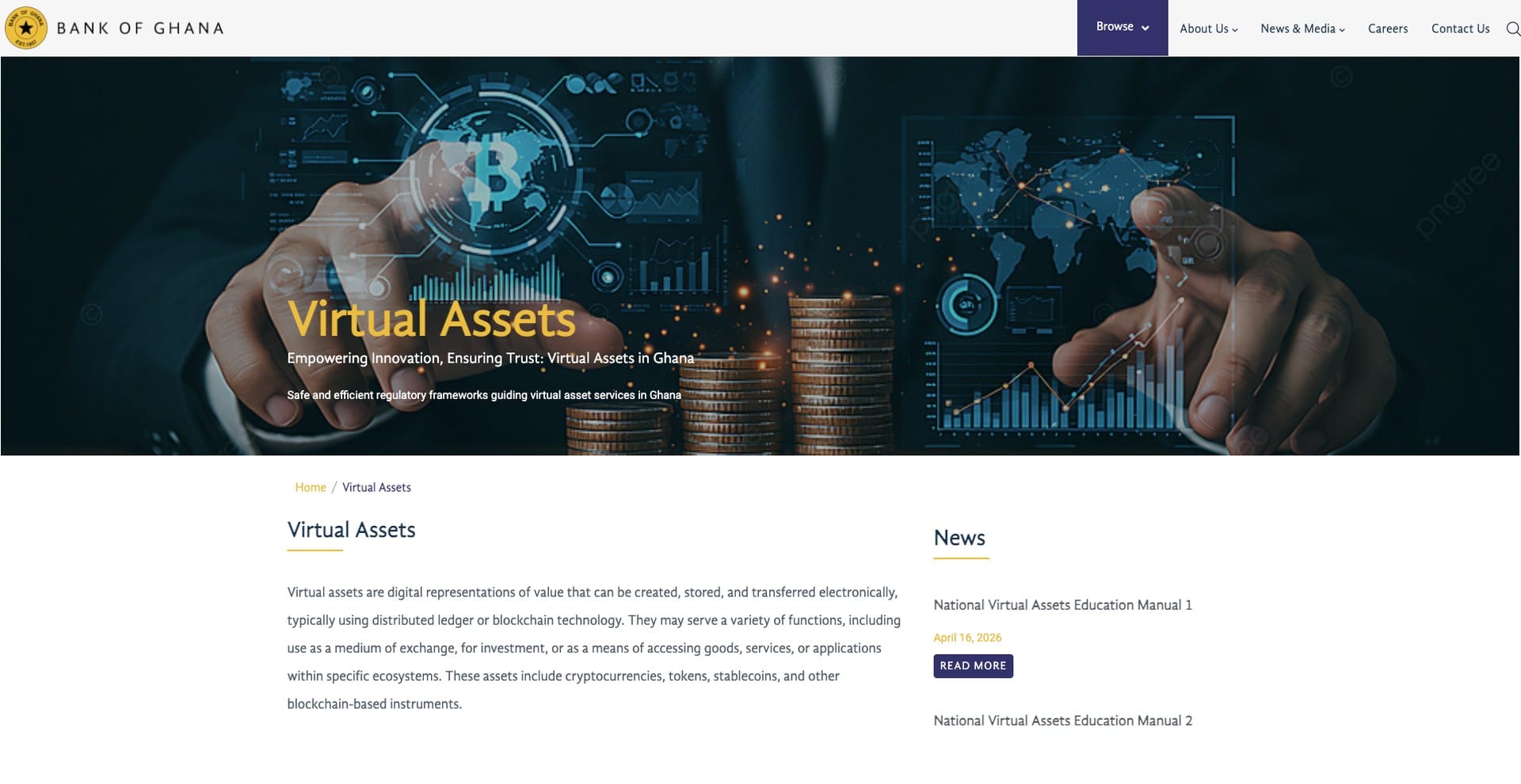
Several local applications enable Ghanaians to quickly sell USDT for cedis, which are then deposited into mobile wallets or bank accounts. While these platforms generally provide a more intuitive experience than P2P transactions, the rates they offer typically include a margin.
As the cryptocurrency landscape in Ghana continues to develop, users are advised to stay informed about regulatory changes and explore various options for converting USDT to GHS.
Ultimately, the preferred method will depend on individual preferences and the specifics of each transaction.