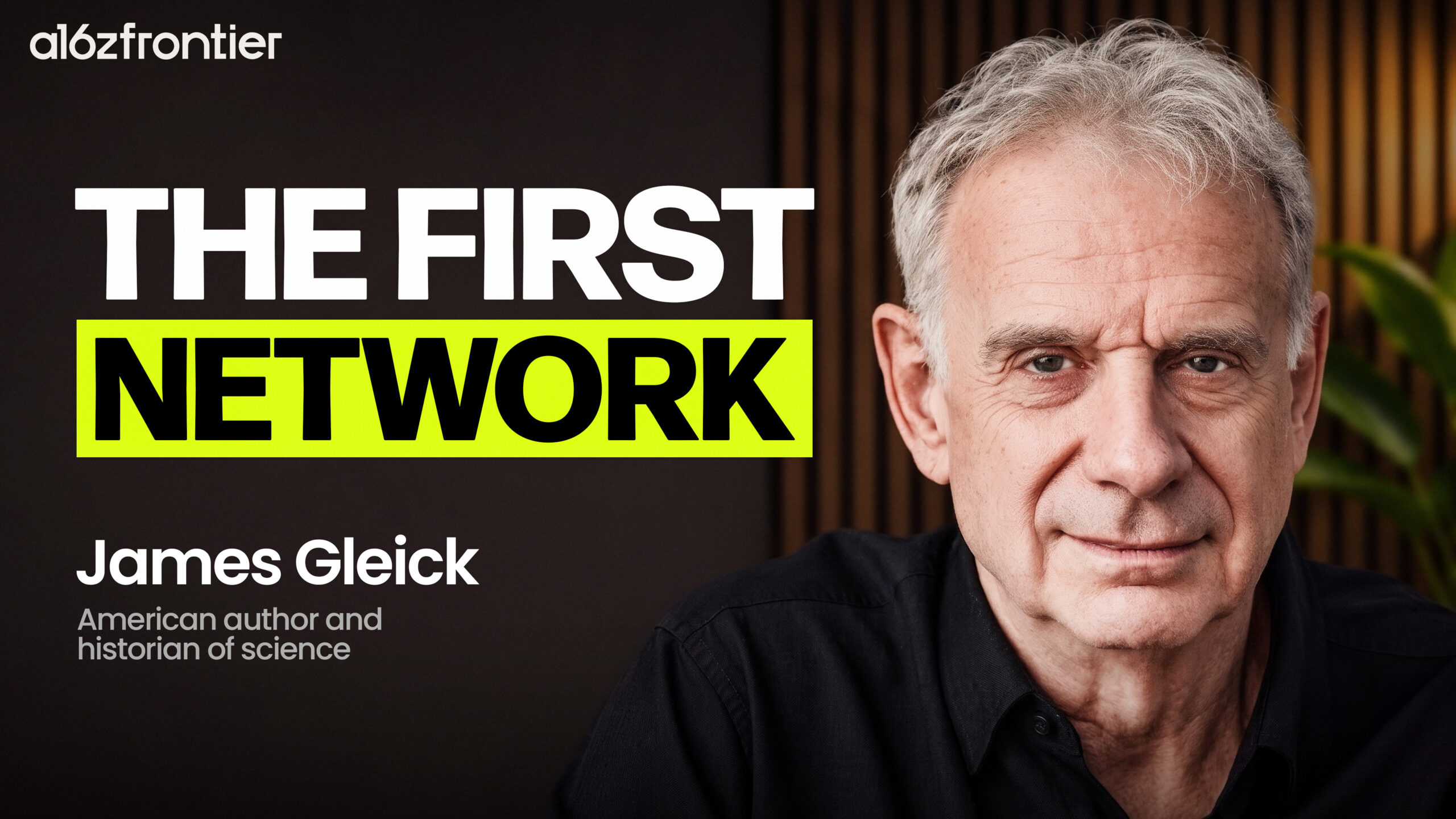
James Gleick, a renowned science writer known for acclaimed works likeChaos: Making a New Scienceand biographies of figures such as Isaac Newton and Richard Feynman, recently engaged in a conversation with Sonal Chokshi and Robert Hackett about his latest publication,The Telephone: A New History. This book delves into the telephone's origins, identifies its true inventor, and outlines the developmental journey while also reflecting on the broader societal implications of this groundbreaking invention.
In its initial phase, the telephone was often considered a novelty or even a mere toy. Many people used it to enjoy concerts or sermons from the comfort of their homes. Although it functioned as a device, society at the time struggled to appreciate its full significance and frequently relied on existing frameworks for understanding. As individuals started to explore its possibilities, they began to realize its true potential. For example, farmers created decentralized communication networks using barbed-wire fences, which they referred to as the "devil's rope." This grassroots innovation played a vital role in the evolution of modern computing.
The discussion highlights the complex nature of technological advancement, emphasizing the rivalries among inventors, the various experiments conducted, and the collective intelligence termed the "scenius of genius." It raises critical questions about why established companies overlooked the telephone's value, whether a monopoly was essential for the telephone network, and what factors contributed to productivity at Bell Labs.
The conversation makes it clear that a single invention can ignite an entire technological revolution.
- Intro: James Gleick and his new book
- The chaotic invention of the telephone
- When a "toy" evolves into a necessity
- How network effects transformed the telephone
- Farmers creating a decentralized phone network from barbed wire
- Mark Twain's experience eavesdropping on his wife's calls
- The debate on monopolistic practices
- Open versus closed systems
- What set Bell Labs (and Xerox PARC) apart from one-hit wonders?
- Scientists, innovators, and the environment conducive to invention
- The discussion on whether AI signifies a fourth industrial revolution
- The influence of technology on thought processes
- James Gleick on solitary writing versus collaborative conversation
- The concept of a "world brain"
- From "ahoy" to "hello, world"
Show notes
The Telephone: A New Historyhere.
Image credits (listed alphabetically by topic)
- Alexander Graham Bell patent drawing [ Wikimedia Commons ]
- Barbed wire, Texas (Library of Congress)
- Bell Labs campus, 2008 [ Wikimedia Commons ]
- Bell System advertisement, 1912 [ Wikimedia Commons ]
- Centennial Exhibition, 1876 [ Wikipedia ]
- Edison & phonograph, 1877 [ Wikimedia Commons, Library of Congress]
- Edison’s phonograph, 2004 [ Wikimedia Commons ]
- ENIAC patent, 1954 [ historyofinformation.com, Jeremy Norman Collection of Images (Creative Commons)]
- Hello World, 1978 [ Wikimedia Commons ]
- Mathematical Theory of Communication, 1949 [ Wikipedia ] + Claude Shannon’s diagram of communication ( Bell System Technical Journal )
- Reis telephone, 1863 [ Science Museum Group (Creative Commons)]
- Telegraph lines, 1871 [ Digital Commonwealth via Wikimedia Commons]
- Telegraphing Morse code, 1918 [ Wikimedia Commons ]
- Telephone operators, 1928 [ Library of Congress ]
- Transistor evolution 1941–1997, Bell System Memorial [ memorial.bellsystem.com ]
- “We Learn about the Telephone,” 1965 [ YouTube via Maria Popova (Creative Commons)]
- Book covers, various